Showing posts with label PTC10 - Bicultural NZ. Show all posts

Wednesday, 21 August 2019

Akotahi - Mahi Tahi


3:30 - 4 Meeting with RCR, RCE, MWI, CMA and I - JFE away

Discussed what we know - what is happening in Akotahi. 

"We need to ask good questions to get good answers!"

What is the goal of Akotahi?  It would be very interesting to see how staff and students answer this question.

We shared information about what we know about Akotahi, as a Pouako, Dean, HOF, Timetabler, and Principal.

Hunches - what we investigate
- Structure
- Academic/Pastoral/Mountain focus
- Support
- Attendance
- Tikanga Maaori
- Cultural 

RCE will be creating a questionnaire based on the hunches we had - to collect data.

Monday, 18 March 2019

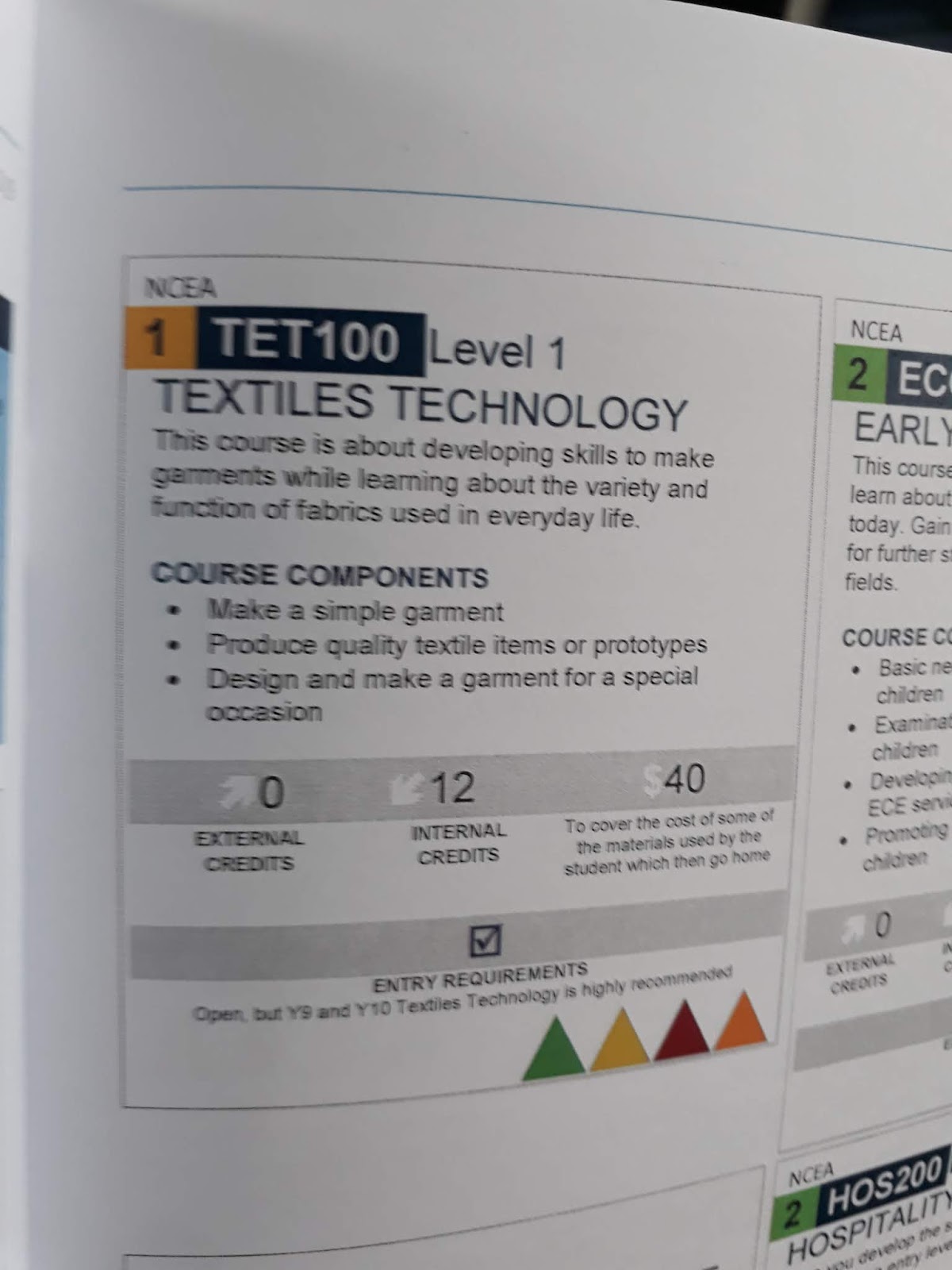
Updating the Textile's Blog

This is the image that I am trying to upload as the title on the Textile’s Blog. I'm having trouble with the size of the JPEG/PNG and resizing it to fit. I've spent some time trying to alter it, but definitely need help! 


Monday, 18 February 2019

Staff Meeting - PLD 18th


FFC NCEA Achievement Data 2018
RCR Goal – To achieve the “national standard”
There’s been a decline
What do we know about the students who did not achieve Level 1/2
-      Who are they?
-      Where are they now?
-      How can we help them to achieve these levels now?
Collaborative process – Co Construction - is now called Mahi Tahi
In groups of five…
Four seasons in order – no particular ‘order’ was given so we popped them into alphabetical order.
Firm, friendly fair – what comes first. We all thought about what our classes look like and
JHE – Fair, friendly, firm
SKE – Friendly, friendly, friendly
CJA – Firm, friendly, fair.
MVB – What does it look like as they enter the room? Friendly.
Inquiry – what does it mean?
Data; cyclic; wondering; evidence; questioning; building on weaknesses; deliberate action; reflective; collaborative;  
Individual vs collaborative - Regular reflective conversations in a collaborative inquiry has proven to be the best.
Genuine vs Determined – Was there pressure to succeed? is it still authentic?
Compliance vs appraisal – Inquiry is something I do to tick boxes rather than be intrinsically driven – increasing our capabilities as teachers; choosing an inquiry that is unknown;
Timely or last minute – setting a goal for the inquiry and managing your time effectively; create checkpoints to support and maintain.
Value added – Something that I meaningful and helps you develop your kills/understanding.
The Spiral Model – Scanning (as an individual); focusing (come together as a group to discuss); developing a hunch about the focus (why I that? How do I know that? What should it look like? Digging deeper (come back and collaborate throughout your investigation – readings/assessment); taking action (deliberate and purposeful action to improve); checking (have I made a shift in my practice or in the learner’s ability?


Checkpoints – catching up with the group or facilitator. There are specific ‘points’ to check when you meet up – there are templates we can used.
Scanning – Junior classes.
- Group formations
- What needs to be completed prior to the final group meeting?
Respond to email about which group by Wednesday morning.
Templates can be found on Teacher Shared.


Tuesday, 13 November 2018

Term 4 Co-Construction


The last round of co-construction for 2018!! The format has slightly changed with the meetings being held today and a presentation of information given tomorrow in the Whare.
I have been given the roll as facilitator, which I don't mind - just not terribly impressed with having to do the presentation down at the wharenui on the 13/11 - how on earth is this going to look and how much extra time do we need to spend on preparing this?! 

3:30
FHO ENG: Discussed e-asTTle testing and Y9 collective; low level student needs; high level learner extension; management strategies; multi-modal learning opportunities.
RNA MAT: Students of concern; self-management improving; extending high level learners; identifying low level learners and strategies to motivate/manage.
CJA SOS: Took student's books as examples and discussed their work ethic/self-management and behaviour in class - big changes throughout each term. A lot of students are needing a second book; low level learner engagement and how that looks in SOS; my strategies to motivate; multi-modal learning structure.

We discussed what Maaori achievement looks like in this core class and how we can enable these learners to succeed. We all agreed that there are some high level Maaori students in this class as well as low level. We have a mix of strategies to engage and motivate these learners. In some cases lack of attendance is a hindrance to their success. 

Presentation: We decided to use adjectives to describe the class each term. The adjectives will all start with B because the core class is 9B. FHO trying to think outside the box for our presentation instead of just rattling off goals and anecdotes. We came up with a range of adjectives starting with B that we think fit the way the class evolved (academically and socially) throughout the year. Quite looking forward to seeing how other core groups are presenting.  

It's always nice to be provided with little snacks after a long day - the food was blessed prior to the start of the meeting as per the routine. 


Update: 13/11
The final Co-construction was held down at the Aratiatia Marae. We gathered in the whare kai for some afternoon tea and then headed into the Marae for each group to share their learning and knowledge of each Year 9/10 core group.
There were a range of presentations - was very impressed with the singing, rapping etc.!
FHO, RNA and I had a list of adjectives beginning with B to describe the class each term - we got a few laughs!
The Marae was a really nice setting to bring us all together.

Monday, 3 September 2018

Staff Only Day


Staff Only Day Agenda
September 3 2018
8:30 – 9:00 – staff briefing and update of kawenata partnership and surveys
9am – 11am – Moana Brown – Restorative Practices training
11am – 11:30am – shared morning tea
11:30 – 12:15 – GHA – best practices for effective external moderation 2019
12:15 – 1:00 – COL update and the Collaborative Inquiries of - In school teachers
1:00 – 1:30 – Lunch
1:30 – 3:30 – Faculty Focus

Tainui  - Kauanata (our school was one of the first five schools to join)

Video: Waikato Tainui – Aaron Wetere
TCO – Tribal aspirations for Education and Pathways
-      80% Te Reo fluent – (Tainui). With each language comes its own Tikanga. The customs and the language are intertwined.
-      Connected to their Marae and know their pepeha.
-      Transition in to a meaningful pathway from education to employment.
Who are the partners that have a role to play in doing better?
Completed Waikato Tainui survey. 


Moana & Janine – Restorative Practices
Activities about learning and engaging students
LI:
Working together – Whakawhanaunatanga
Expectations:
-      Listening with intention
-      Being respectfully honest
-      Being aware of others wellbeing
-      Keeping track of my learning
-      Kaimoana activity handout


External Moderation Processes
GHA 11:35 - 12
Purpose: assurance that marking is consistent and students are getting a fair deal; to maintain consent to assess we have to participate; opportunity.
Assessment Plan
We get to choose the standards to be moderated.
Reports posted on NZQA
Review of reports (what changes need to be applied?)
Plan for changes (consistently taught)
November: We get to select the standards to be externally moderated – 10% of the standards – level 3 standards are chosen first.

Choosing standards – choose standards that are new to the programme. Can send these away early for feedback. Make sure there are sufficient samples of student work. Random samples are chosen by the HoF. The teacher is not to remark the work. Keep the work accessible to the HoF or the PN. Digital work can be stored in Teacher Shared. 
Make sure there is a mark chosen before publishing.

Physical Evidence
Stored in a faculty work area as determined by HoF. Access to the assessment task.

Moderation Website – this needs to be kept up to date.


Senior Subject Guide


COL - update and the Collaborative Inquiries of - In school teachers.
Drivers of change - moderation 
Collaborative inquiry - coaching and mentoring other people. The programme is designed to build stronger relationships with FFC contributing schools.
How does collaborative inquiry look at FFC?
How are we culturally responsive?


Kahui ako - MCH

-      Purpose is to work collaboratively to raise student achievement
Research has proven that collaborative teaching and learning has many positive outcomes.
Kahui ako will receive specific training
Explain how you make the perfect cup of tea – with a partner.

The CI process – MMA
-      More minds, more experiences, more direction, more purpose
-      Genuine interest
-      Challenge and be challenged
Interested in finding the driver of change
GHI - Student Engagement
Where did we start? Narrowing down the process; finding the focus; where do we want to be?
SMA - Collecting Evidence and Data on Engagment
Focus is on Year 10. Engagement based on: cognitive; behavioural; emotional. 

1:30 Faculty - AFI & CBO

Monday, 30 October 2017

Staff Meeting Week 3

3:30 - 4:15
Lynn, Roger, and Vic (Chairperson) discussing the Fairfield Project.

Known as the Bankwood gully, this project started with the idea that the people of the community wanted to save/restore the area to use for environmental education and community. The trust have six guiding principles. Educational/contemplation spaces will be set up. Concepts of the educational center have been drawn. Significant funding has been given by the Bryant trust and the Hamilton City Council as well as the Waikato River Cleanup.
Community Garden Aims
- connections to the curriculum
- connections to the community
- community connections to the land

Gully restoration has begun with 1000 trees already planted by the year 9's; kumara, potato and other vegetables have been planted by the community; Waikato Dio have also started planting in their part. The Tongan community have planted kumara.
Kukutaruhe is the Gully guardian; giant Kukuhu live and breed down there. 

Benefits for the school include a significant point of difference to other schools; student learning opportunities; new pathways to tertiary education and employment; access to significant to new funding; community engagement; restore and preserve the College environment; provide a legacy for future generations.

Think-Pair-Share
Staff were asked to think/pair/share ideas about the use of the FFP for staff/students and the community.
In terms of Textiles - I would like to see flax and lavender planted to use for sustainability projects

4:15 - 4:30
Learning Advisory - SAT
PD3 will be aimed at informing staff of what LA 2018 will entail. 
Reading from The Little Prince - pp (the long winded approach!)
"It is my responsibility to fill my kete with things that will help me, and to share the things in my kete that  will help others. Together we can make the world a better place."
Virtues and what they may be in 2018 - Goodness; kindness; 

Designing booklets for senior and junior students to use. Will they be differentiated? projects: murals; paintings; sculptures; flags; books; fables; vamping up the library.
Reflection on learning and moral development.
Break into small groups to discuss and design the booklet to use as a resource for Learning Advisory. Trying to build relationships through responsibility and consideration to the individual.
Mountain spirit: Must used connectedness to maunga to make the advisory count.
Administrative 'things' need to be covered - could be in the booklet so it's like a manual.
Week 5 on Tuesday school will finish early for the next PD session.

4:30 - 4:45
Timetable - RCR
School will start at 9am for students - it is believed that this will be better for students.
Staff briefing will be 8:35-8:50 - 10 mins time will be given for lesson prep. 
Learning Advisory will be counted as contact. Because of the rotating assembly times we may be asked to step into other roles.

Friday, 8 September 2017

Quick Writes - 9G English

I introduced the students of 9G to the idea of Quick Writes (this was something I used in previous classes at BNMS). A quick write is designed to get students writing. They are provided with a picture/word/sentence prompt and given 5-8 minutes time to write. The prompt is unpacked/discussed at the very beginning.

9G took to this form of writing quite quickly. They mostly enjoy humorous/adventurous picture prompts. The time limit set is usually from 5-8 minutes. I judge whether they are in the right 'head space' as to whether or not they get a longer period of time to write. 
Before 9G had speeches, I brought in the new expectation that they had to read their work aloud to one person in the room. At times they are resistant to this! With VMA or JFE in the room to assist, they eventually follow through. Sometimes, a student is willing to read aloud to the whole class (this option is always presented, but hardly ever taken up), and this is usually the same student time after time. As in the first picture below, he likes to read his story's to me outside of the classroom - I am always happy to oblige students who want to read aloud to me outside the class room. 

This has become a regular task completed in Thursday's period 5 class

Next term, my goal is to introduce them to sentence/word prompts. 


Thursday, 7 September 2017

Professional Learning - 6th September

Professional Learning 6th September
Intro by RCR, handed over to SAT: “Learning Advisory – apparently this name will not stick as the acronym is not …. “ Could potentially be LCT
DSU then took over and played Sam Cooke – What a Wonderful World as he handed out a task.
The point of this task was to think of something from the past that then gets recreated by personal perspective/experiences.
A song to do with autonomy:  was played whilst we continued with the second part of the task.
One task: un-jumble these two words sreplano mfllefltnui; which became personal growth.
“Setting up something we become comfortable with – when you have your last day of term: I need a holiday because I’m so frazzled to I’m looking forward to a holiday to spend time with my family etc. and recharge.” DSU, as quoted by SAT
LJA: Focusing in on “Our Artefacts” The iconography we use to display our values and school culture. Our task is to design a letterhead that expresses the values of FFC. Incorporate any or all of these phrases: I taku puranga hau; taku tuumanako (while I breathe, I hope); Dum Spiro, Spero.
What were some of the underlining assumptions you would put in a school letterhead: did you incorporate any of the languages? do you have an underlying value that places any of these languages above the other? Did you focus on a letterhead that displays what FFC is – images that represent maunga etc. How did you place these designs? what was the dominant item?
Reflection: I wanted to incorporate both Maaori and Latin quotes as well icons to do with the school – mountains/colours
An interesting Q was asked, if you won power ball tomorrow, what would you do? This relates to personal fulfilment and self-actualisation.
ARO: Focusing on Threads of Culture – consider our students; our classroom; and our school.
Values based system or pattern; relational existing within social interactions; culture is not static, but shaped by interactions and processes of the organisation

WRO: Values and principles or standards of behaviour, one’s judgement of what is important in life. They have major influence on a person’s behaviour and attitude and serves as broad guidelines in all situations.

I enjoyed the collaborative aspects of this professional learning session. I learnt a fair bit about some colleagues, both personal and  professional. Still non the wiser as to the the actual structure of 'Learning Advisory' 2018. 


Tuesday, 29 August 2017

Observation - Y9 Food Tech

Feedback received from SCH has been very good. Organisation, relationships with students, check points, seating plans, responses during lesson etc. were all positive. Discussed challenging students and how I 'pick my battles' - reacting in a calm manner to avoid confrontation/anxiety for both the students and myself.
Sarah has been a wealth of knowledge and a fantastic support throughout my first three terms at FFC. I always look forward to her observations and feedback feed forward.

Wednesday, 15 March 2017

Inter-Mountain Singing Challenge

Mountain Assembly 12:15 - 12:45
Introduced the song that has been chosen to Maungatautari today during mountain assembly - S Club 7: Reach
The reaction was mixed, but with the help of some senior students I have faith that our maunga will pull through. Here's a link!

The school Hymn will also be sung. Matua Colin added some actions for the first verse and the chorus , that align with the words being sung.

I am doing my best to join in and encourage students across all year levels.


Wednesday, 1 February 2017

Sunday, 13 November 2016

Classroom Blog - Update

I really enjoy maintaining a classroom blog for Room 9. There are so many benefits of using a blog when teaching, especially in languages. During Spanish I use the blog to embed the language in a range of modes. Learners view and sing along to Youtube videos, mark answers on written tasks, and can re-watch/read from home.
I also use the blog to post the fabulous writing that comes from the 100 Word Challenge Blog. I've seen some really great development in the writing skills of the learners that participate. Unfortunately, I don't have 100% participation from the class, even though it is set as Home Learning for everyone.
I like to add pictures from a range of learning experiences to the blog, to make connections with home. I can appreciate the opportunity to see learners in action, and for the learners to share their experiences and understanding with their whanau.

Here are some screenshots of the Room 9 Blog...


Tuesday, 1 November 2016

Staff Meeting - 1/11 - Altrusa/Principals Award Nominations

This meeting was a really fantastic opportunity for teachers to talk about their nominations of a range of learners from across the school. As a staff, there were positive discussions about Berkley learners and their achievements, inside and outside of school. Many were previously nominated for the Altrusa award, and have been put forward for the Principal's award. 

Reflection
I feel really privileged to be a part of such a supportive and talented community here at Berkley. There are so many learners deserving of a Principal's award, and for their achievements and successes to be celebrated. Love this part of teaching, and I'm looking forward to seeing the learner's receiving their awards at the end of year assembly!

Tuesday, 25 October 2016

Teaming Meeting: Languages - 25/10

Supplied and presented by Gareth Haman
Planning the inquiry
1.  What is our purpose?
1a) To inquire into the following:
●   transdisciplinary theme
An inquiry into

Who We Are or How We Express Ourselves
●   central idea
Language and Tradition are Essential Elements within Cultural Identity
Class/grade: Year 7 and 8 Age group: 10-13 yrs
School: Berkley                           School code: 70223
Title:
Teacher(s):
Date:
Proposed duration: 6 weeks.

1b) Summative assessment task(s):
What are the possible ways of assessing students’ understanding of the central idea? What evidence, including student-initiated actions, will we look for?
Culturally Aware
  • Students will identify a cultural aspect of their selected language to share and teach to the class. Students to share and reinforce specific vocabulary in addition.
This can include, a traditional song or dance etc.
Students need to explain how their selected piece supports the development of their selected language and why it is important these traditions / ideas are maintained.
This can be done through the Key Concepts;
Form: What does it look like?
Function: What is its purpose?
Responsibility: Why do we need to protect it?
Change / Reflection: How has studying other cultures helped me to understand my own cultural and personal identity?

Fits the criteria:
- Complex (they don’t already have the answer)
- Open-ended (they can go in many different directions, there is no specific one result you are looking for)
- Authentic (is there something the kids can connect to in the task).
2.  What do we want to learn?
What are the key concepts (form, function, causation, change, connection, perspective, responsibility, reflection) to be emphasized within this inquiry?
Form: What is a Cultural Identity?
Function: Why do we have different cultures?
Reflection: How does learning other cultures support our own identity?
Related Concepts:
Identity, Culture, Tradition, Language

What lines of inquiry will define the scope of the inquiry into the central idea?
  • Language is an essential element within cultural identity
  • Traditions are an important aspect of cultural identity
  • Understanding others, helps us to understand ourselves

What teacher questions/provocations will drive these inquiries?
  • Who Am I: Students create a Cultural Identity outline - how do they define themselves as kiwi or other nationality?
  • Bus Stop Activity: Students rotate around tables and try to identify what cultures / countries are identified within the images (how do the know)
  • Could You Survive: Students are given a series of challenges (ideas to communicate) without using English - can they get the idea across?

Questions;
  • Why is it important to recognise culture?
  • What connections are there between cultures?
  • How does language help us develop understanding?


© International Baccalaureate Organization 2011

3.  How might we know what we have learned?
This column should be used in conjunction with “How best might we learn?”
What are the possible ways of assessing students’ prior knowledge and skills?  What evidence will we look for?
  • Who Am I: Cultural Identity Map
This assessment will allow us to identify what students already know about culture and identity.
Students will be able to give examples of how they represent, reflect or exhibit this.
Examples might include having a traditional name, following a particular sport or speaking a particular language.
Please Note: If a child struggles to identify their cultural identity we can ask, why is this potentially hard to do, how could we overcome this and what are the consequences of not having a cultural identity.
What are the possible ways of assessing student learning in the context of the lines of inquiry?  What evidence will we look for?
The related concepts are what drive our inquiries into language, so we will focus on assessing developing understanding through these lenses.
Identity: Can students share who they are and what contributes to this self image.
Culture: Can students share their cultural identity and / or recognise aspects of other cultures.
Tradition: Can students share and explain the importance of traditions in developing cultures and cultural awareness.
Language: Can students use and explain the role language has in developing cultural identity, understanding and awareness.
Newton Principles:

Through the engagements listed in section 4 we are addressing the following principles:

  1. Integrates language and culture from the beginning.
  2. Engages learners in genuine social interaction.
  3. Encourages and develops an exploratory and reflective approach to culture and culture-in-language.
  4. Fosters explicit comparisons and connections between languages and cultures.
  5. Acknowledges and responds appropriately to diverse learners and learning contexts.
  6. Emphasises intercultural communicative competence rather than native-speaker competence.


4.  How best might we learn?
What are the learning experiences suggested by the teacher and/or students to encourage the students to engage with the inquiries and address the driving questions?
Identity: Through this inquiry students will develop an understanding of identity. This includes developing a greater sense of self and appreciation for other cultures and people.
Possible engagements include:
  • Who Am I Cultural Identity Map
  • Prince EA clip: This clip examines how we explore ourselves through labels, you’re white, i’m black etc which stops us from truly understanding who we are. Possible Questions include...
  • Do we label other cultures?
  • How can we look deeper?
  • What would happen if we understood one another fully?
  • How does language help us to achieve understanding

Culture: Through this inquiry students will develop and understanding of culture. This includes looking at the different aspects we use to help explain and illustrate a culture, including language, music, traditions and customs.
Possible engagements include:
  • Culture Mind Map: Students identify all the different ways we recognise culture, within ourselves and in others.
  • Language Connections: Students are provided a list of words and have to unpack what they mean. Students explain how they came to their conclusions. Possible Questions include
  • Why are we able to identify some words and not others?
  • Can we make connections between our language of focus and English
  • How and why does language travel.
  • 1000 languages or a Global Language: Students to explore / debate the benefits / negatives of having 1 language as opposed to 1000’s. What would be the consequences of this?

Tradition: Students will explore different traditions to develop their understanding of culture. Students will understand how and why traditions remain and their importance moving forward.
Possible Engagements Include:
  • Tradition Comparison: Students to look at a “common” tradition / celebration and make comparisons highlighting similarities and differences, for example Chinese New Year and Our New Year, or traditional foods, what are they, how are they sourced / produced and eaten (rituals / prays etc)
  • Tradition Focus: Students explore a tradition of their choice from their selected country and present this to the class.

Language: Students will develop an understanding of the importance of language in developing cultural identity and will develop their ability to recall and apply their language knowledge.
Possible Engagements Include:
  • Who Am I: Students learn how to introduce themselves.
  • Who Are You: Students learn how to ask simple questions and provide simple answers.
  • Language Appreciation: Students to create a “Dream Chart” of how they want to develop their language skills and what they want to do with these. (this can be used to develop future learning goals and promote student agency)

What opportunities will occur for transdisciplinary skills development and for the development of the attributes of the learner profile?

Learner Profile
Communicator: Students will develop a deeper understanding of the importance of being a communicator
Open Minded: Students will explore and appreciate different ideas.
Reflective: Students will reflect and develop their understanding of identity.

Transdisciplinary Skills / Approaches to Learning

Communication Skills
Listening and Speaking: Students will develop their ability to hear / understand and to speak / communicate in a second language.

Thinking Skills
Synthesis and Evaluation: Students will develop a deeper conceptual understanding of culture and identity and will use this to develop future goals and in developing a more complete self image.


5.  What resources need to be gathered?
What people, places, audio-visual materials, related literature, music, art, computer software, etc, will be available?
The following websites relate to this topic:

How will the classroom environment, local environment, and/or the community be used to facilitate the inquiry? We will become our own market place for trading.
© International Baccalaureate Organization 2011
Reflecting on the inquiry
6.  To what extent did we achieve our purpose?

Assess the outcome of the inquiry by providing evidence of students’ understanding of the central idea. The reflections of all teachers involved in the planning and teaching of the inquiry should be included.

How you could improve on the assessment task(s) so that you would have a more accurate picture of each student’s understanding of the central idea.


What was the evidence that connections were made between the central idea and the transdisciplinary theme?


7.  To what extent did we include the elements of the PYP?
What were the learning experiences that enabled students to:
●   develop an understanding of the concepts identified in “What do we want to learn?”

●   demonstrate the learning and application of particular transdisciplinary skills?


●   develop particular attributes of the learner profile and/or attitudes?
In each case, explain your selection.


© International Baccalaureate Organization 2011

Reflecting on the inquiry
8.  What student-initiated inquiries arose from the learning?
Record a range of student-initiated inquiries and student questions and highlight any that were incorporated into the teaching and learning.

At this point teachers should go back to box 2 “What do we want to learn?” and highlight the teacher questions/provocations that were most effective in driving the inquiries.

What student-initiated actions arose from the learning?
Record student-initiated actions taken by individuals or groups showing their ability to reflect, to choose and to act.


9.  Teacher notes


© International Baccalaureate Organization 2011
Questions we have:
- How do we encourage more student ownership/autonomy/agency?
- How do we establish a culture in our room? (looking at traditions we have in the classroom).
- How do we keep it moving with a range of groups, so they don't get left behind/remain static.
- What does the planning look like for the lesson, is they supplementary plans e.g. iPpiT, Kath Murdoch...
- Where is the clear direction - on what Language planning should look like?
- What does realistic planning of teaching languages look like?
- What is the explicit purpose of teaching languages to this age group?
- Integrating specialist teaching into the classroom.
- How can we link to the whole team?

Our thoughts

Making connections with other culture's traditions and our own (could be classroom traditions).
Look at culture and traditions separately
Quizlet (a mobile app) is a great way to consistently move groups on at the same time.
Sometimes the agency of what we do doesn't come at the time of the unit, but after.
Making connections through the language
Go forth and search - relate to the Key Concepts - research - present back to the class
Planning in advance, the teaching of the language, and developing understanding of the culture they are learning about.
Passing on the passion for learning a second language and gaining basic language skill/knowledge that will take them into secondary school.
Shifts in our own thinking about how we develop Newton's Principles: the idea of culture...